Posted on 4/30/2026

A lot of expensive repairs do not begin with some huge failure out of nowhere. They begin with something small that was easy to ignore because the car still started, still drove, and still felt usable enough for another week. Then one delayed service turns into a leak, a warning light, worn tires, or a repair bill that feels much larger than it should. That is why preventive maintenance saves money in ways drivers do not always notice right away. Why Preventive Maintenance Costs Less Than Catch-Up Repairs The value of preventive maintenance is pretty simple. It gives you a chance to deal with wear while it is still limited. A fluid gets changed before it breaks down too far. Brake pads get replaced before the rotors are damaged. A weak battery gets caught before it leaves you stranded. That is a very different situation from waiting for the car to force the decision. Once a problem spreads, the repair is no longer focused on one worn part. It starts pulling nearby ... read more
Posted on 3/27/2026

Loss of power is one of those problems that can be hard to describe because it often shows up in moments. Maybe the car feels flat merging onto the highway, or it hesitates climbing a hill, then seems fine again later. What matters is not just that it happened, but when it happened and what else you noticed at the same time. If you catch the pattern early, you usually avoid the version where the car starts limiting itself more often. Power Loss Feels Different Depending On The Situation Power loss can feel like sluggish acceleration, delayed throttle response, or a sudden drop in pull when the engine is under load. Sometimes it feels like the engine is running, but the car is not responding the way it should. Other times it feels like a brief stumble, then it recovers. Start by noting whether it occurs during acceleration, during steady cruising, or only when the engine is hot. Also pay attention to whether the transmission is shifting normally or hunting for gears ... read more
Posted on 2/27/2026

Checking your oil and finding it low can be a mystery, especially when your driveway is clean, and you have not noticed any dripping. A lot of people assume that if there is no puddle, the engine must be fine. In reality, oil can disappear in ways that never leave a clear spot on the ground. Sometimes it is burned inside the engine. Other times it is leaking, but the leak is hidden or evaporating before it hits the pavement. Either way, the goal is the same: figure out where the oil is going before low oil turns into real engine wear. How Oil Disappears Without Leaving A Puddle There are two main explanations. The first is oil burning, which means oil is getting into the combustion process and leaving through the exhaust. The second is a leak that does not reach the ground, usually because the oil lands on hot engine parts or is spread across the underside by airflow. Both are common, and both can start slowly. The problem is that slow oil loss still adds up. Runn ... read more
Posted on 1/30/2026
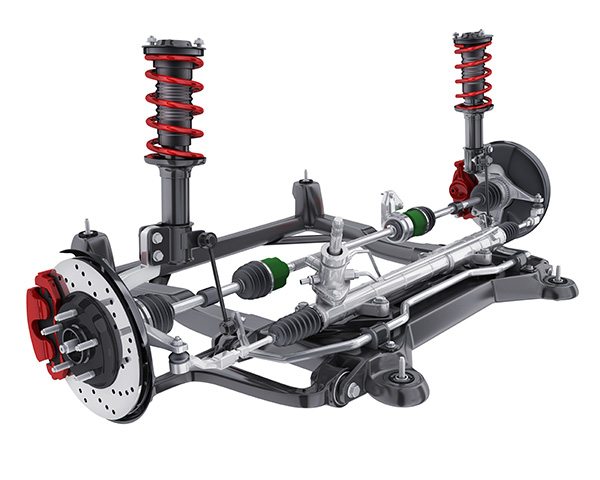
Many steering complaints start with a simple thought: something feels off. The wheel might feel lighter than usual, the car may drift in its lane, or you find yourself making constant little corrections on the highway. It’s tempting to blame alignment right away, but suspension wear is often part of the story. Steering and suspension are tied together, so when one side gets loose or worn, the other side feels it. How Suspension And Steering Work Together Your steering wheel isn’t directly “steering the tires” on its own. It’s sending input through steering components that rely on suspension parts to hold everything steady. If bushings, ball joints, tie rods, or strut mounts have play, the front wheels can shift slightly under load, even when you’re holding the wheel steady. That shifting can show up as wandering, pulling, or a steering wheel that never feels settled. It can also make the car feel nervous over bumps, because the t ... read more
Posted on 12/19/2025
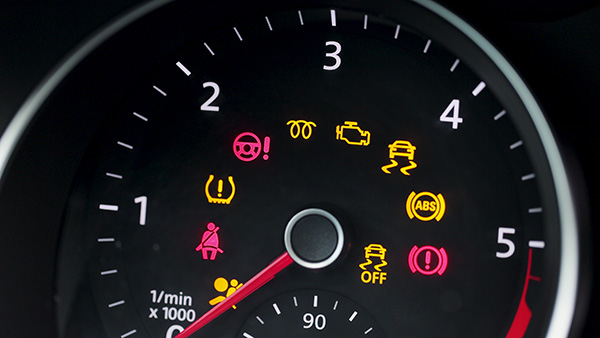
You glance down at the dashboard, see a light glowing, and tell yourself you will deal with it later. The car still moves, there is no strange noise, and life is busy. That is exactly how small, fixable issues turn into big, expensive problems. Some dashboard lights are more than gentle reminders. They are the car’s way of saying, “If you keep driving like this, something important is going to get hurt.” 1. Check Engine Light: Your Early Warning for Engine Trouble The check engine light is one of the most misunderstood symbols on the dashboard. It can come on for something as simple as a small emissions leak or for issues that affect how the engine runs and how much fuel it uses. When the light is solid and the car still drives normally, it usually means the computer has seen a problem that needs attention, but it is not an immediate emergency. A flashing check engine light is different. That usually signals a serious misfire that can overheat and ... read more